If you have ever attempted to shortlist game development companies in the United States, you know how noisy the market can be. Every studio boasts deep technical depth, polished pitch decks, and a showcase of past hits. Yet once technical due diligence begins, the hardest challenges come to light: unpredictable timelines, architecture that cannot scale, lack of multiplayer profiling, or outsourcing partners that disappear right after launch.
Modern game development in 2026 demands far more than just writing gameplay scripts. Publishers, tech founders, and venture-backed studios need partners that understand player retention loops, cloud backend infrastructure, console certification, and the high financial stakes of post-launch LiveOps.
In this comprehensive guide, we examine the top 10 game development companies based in the United States. We assess each studio beyond surface-level claims, focusing on shipped track records, engineering depth, platform versatility, and long-term delivery reliability.
Partner Highlight
US publishers, indie innovators, and enterprise creators partner with CubeStax for end-to-end game production — from early pre-production and prototyping to full commercial launch — retaining 100% IP ownership backed by milestone-driven delivery and dedicated engineering teams.
TL;DR - Key Takeaways and Comparison
Choosing the ideal game development company hinges on matching your project's technical scope and business goals with a studio's operational model. First-party giants like Epic Games, Valve, and EA excel in their own ecosystems, while full-cycle and co-development partners like CubeStax and Iron Galaxy provide scalable, external execution tailored to client roadmaps.
| Company | Core Strengths | Notable Works | Best-Fit Project Type |
|---|---|---|---|
| CubeStax Founded: 2018 Location: USA & Global Rating: 4.9 (Client Reviews) | Full-cycle Unreal & Unity, AAA Art, Co-Development, LiveOps | AAA Shooters, Cross-Platform RPGs, VR/AR Simulations, Multiplayer Titles | Co-development, full-cycle production, LiveOps-ready titles |
| Epic Games Founded: 1991 Location: Cary, North Carolina Rating: 4.5 (Google) | Unreal Engine (UE5), Creator Platforms, Online Services | Fortnite, Rocket League, Fall Guys, Unreal Engine | Platform ecosystems, engine licensing, creator networks |
| Electronic Arts (EA) Founded: 1982 Location: Redwood City, CA Rating: 4.1 (Google) | Console, PC & Mobile AAA, Global Publishing, Sports Simulations | EA SPORTS FC, Madden NFL, Apex Legends, The Sims | Massive franchise-driven AAA and sports ecosystems |
| Activision Blizzard Founded: 2008 Location: Santa Monica, CA Rating: 4.0 (Google) | AAA Franchise Dev, Live-Service Infrastructure, Global Esports | Call of Duty, World of Warcraft, Diablo, Overwatch | Global live-service ecosystems and multi-player networks |
| Zazz Founded: 2009 Location: San Francisco, CA Rating: 4.3 (Google) | Mobile Game Engineering, Backend Infrastructure, Cloud Integration | Enterprise Gaming Apps, Casual Mobile Titles, Web3 Simulations | Mobile-first games with complex enterprise cloud backends |
| Take-Two (Rockstar) Founded: 1993 Location: New York, NY Rating: 4.4 (Google) | Open-World AAA, Cinematic Narrative Design, Global Publishing | Grand Theft Auto, Red Dead Redemption, NBA 2K, Borderlands | Immersive open-world blockbusters with long player engagement |
| Valve Corporation Founded: 1996 Location: Bellevue, WA Rating: 4.6 (Google) | Platform Ownership (Steam), Hardware, Competitive Multiplayer | Counter-Strike 2, Dota 2, Half-Life: Alyx, Team Fortress 2 | Platform-driven PC gaming and community-led economies |
| Naughty Dog Founded: 1984 Location: Santa Monica, CA Rating: 4.7 (Google) | Cinematic Single-Player, Character Animation, First-Party Tech | The Last of Us, Uncharted, Crash Bandicoot, Jak and Daxter | Emotionally rich, story-driven single-player AAA experiences |
| id Software Founded: 1991 Location: Richardson, TX Rating: 4.5 (Google) | High-Performance FPS Tech, idTech Engine, Physics & Combat | DOOM Eternal, DOOM: The Dark Ages, Quake, Wolfenstein | Ultra-fast, hardware-optimized shooters and engine engineering |
| Iron Galaxy Studios Founded: 2008 Location: Chicago, IL Rating: 4.4 (Google) | Technical Co-Development, Cross-Platform Porting, Systems Engineering | Killer Instinct, Rumbleverse, Uncharted PC Port, Skyrim Switch | Console porting, code optimization, publisher co-development |
The U.S. Game Development Market in 2026
The gaming sector in the United States continues to set global economic and technological benchmarks. The worldwide video game market is projected to surpass $205 billion in 2026, representing the largest single vertical in interactive entertainment. Operating successfully in this market requires navigating significant technological shifts: Mobile platforms currently generate over 55% of global player revenue, but cross-platform delivery expectations between PC, console, and mobile have created a unified player ecosystem. Gamers now expect seamless cross-play, cloud progression, and rapid LiveOps cycles. Studios that thrive in 2026 succeed by establishing modular production pipelines, robust multi-device QA, and monetization systems that respect player retention.
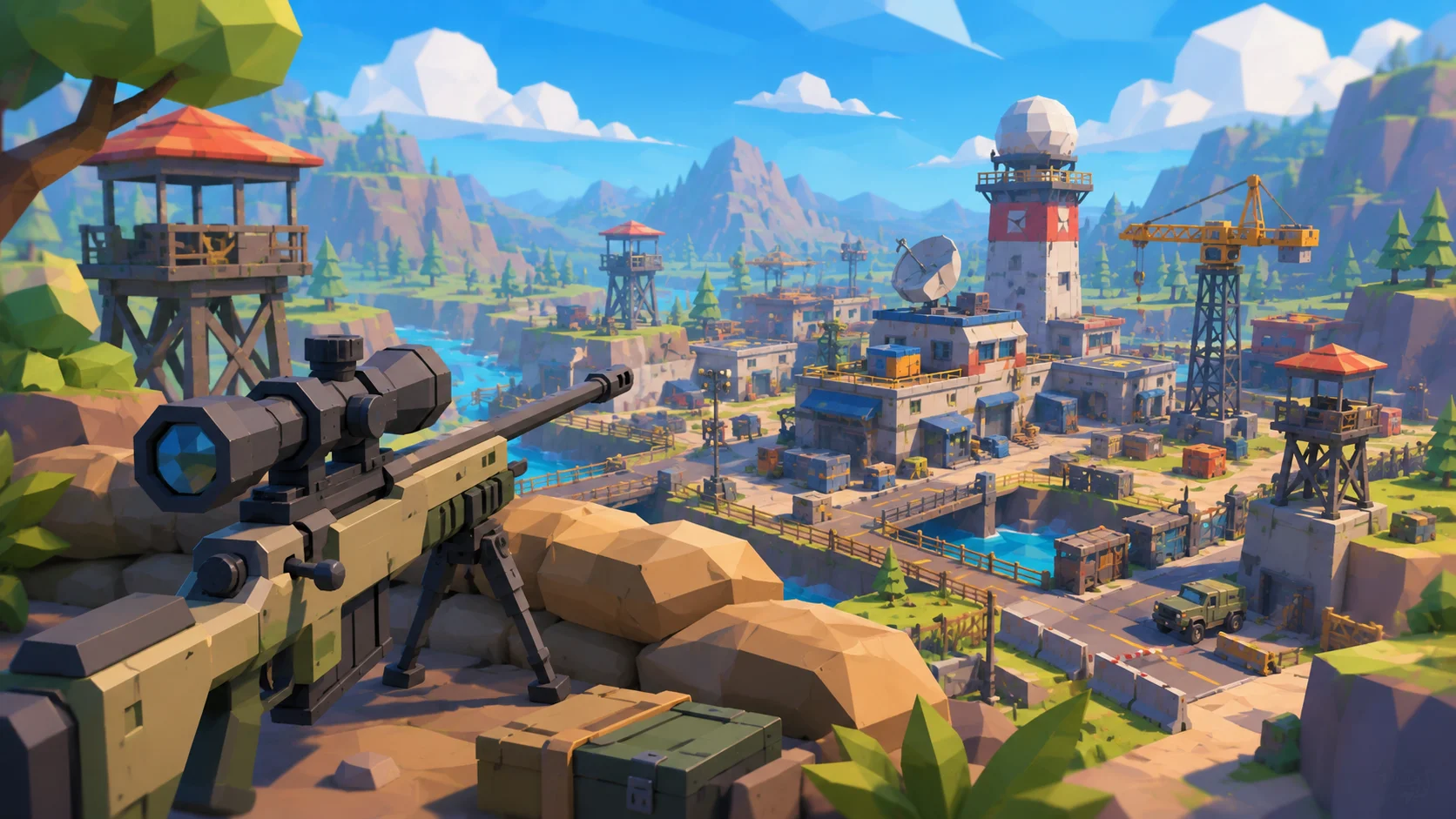 Modern game engineering stacks integrating cross-platform engines, cloud backends, and live telemetry
- Global Player Audience: Over 3.6 billion active gamers worldwide drive continuous demand for rich, high-fidelity interactive content.
- Simultaneous Multi-Platform Releases: Cross-platform PC, console, and mobile availability is now the industry baseline for commercial success.
- Unified Engine Toolchains: Unreal Engine 5 and Unity 6 enable unified rendering workflows, minimizing cross-platform code bifurcation.
- US Operational Alignment: US-based collaboration pipelines minimize communication latency, contract friction, and IP compliance risks.
Top 10 Game Development Companies in USA
Selecting the ideal development partner requires looking beyond prestige branding. The right partner must demonstrate verifiable engineering chops, predictable milestone discipline, and post-launch stability under real commercial constraints. Below are the top 10 studios analyzed through the lens of production capability.
1. CubeStax
CubeStax is a premier full-cycle and co-development game engineering company operating with dedicated US collaboration pipelines. Unlike publisher-locked internal studios, CubeStax is built specifically to empower external publishers, funded gaming startups, and IP holders with end-to-end production support. From early prototype ideation and technical concepting to AAA asset pipelines, custom network multiplayer, console certification, and 24/7 LiveOps maintenance, CubeStax embeds senior technical talent directly into production cycles. Its hybrid global delivery model provides US-time-zone alignment, transparent milestone tracking, and strict IP confidentiality.
- Full-cycle multiplatform delivery: Across PC, console (PlayStation, Xbox, Switch), mobile, and spatial computing (VR/AR).
- Engine-level technical depth: Across Unreal Engine 5 (Nanite, Lumen, Chaos) and Unity 6 toolchains.
- Comprehensive AAA game art pipelines: Concept art, 3D modeling, rigging, VFX, and stylized animation (game art services).
- Battle-tested multiplayer architectures: Custom matchmakers, server reconciliation, and anti-cheat integrations.
- Flexible partnership models: End-to-end project delivery, co-development, and dedicated engineering pods.
| Key Advantages | Considerations |
|---|---|
| Deep multiplatform engineering and AAA art pipelines | Selective intake requires scheduling lead time for full production squads |
| Direct US timezone collaboration with full IP transfer | Focused on mid-to-large scope titles rather than minimal demo builds |
| Proven LiveOps frameworks that lower post-launch operational costs | — |
| Predictable sprint delivery with weekly playable milestone builds | — |
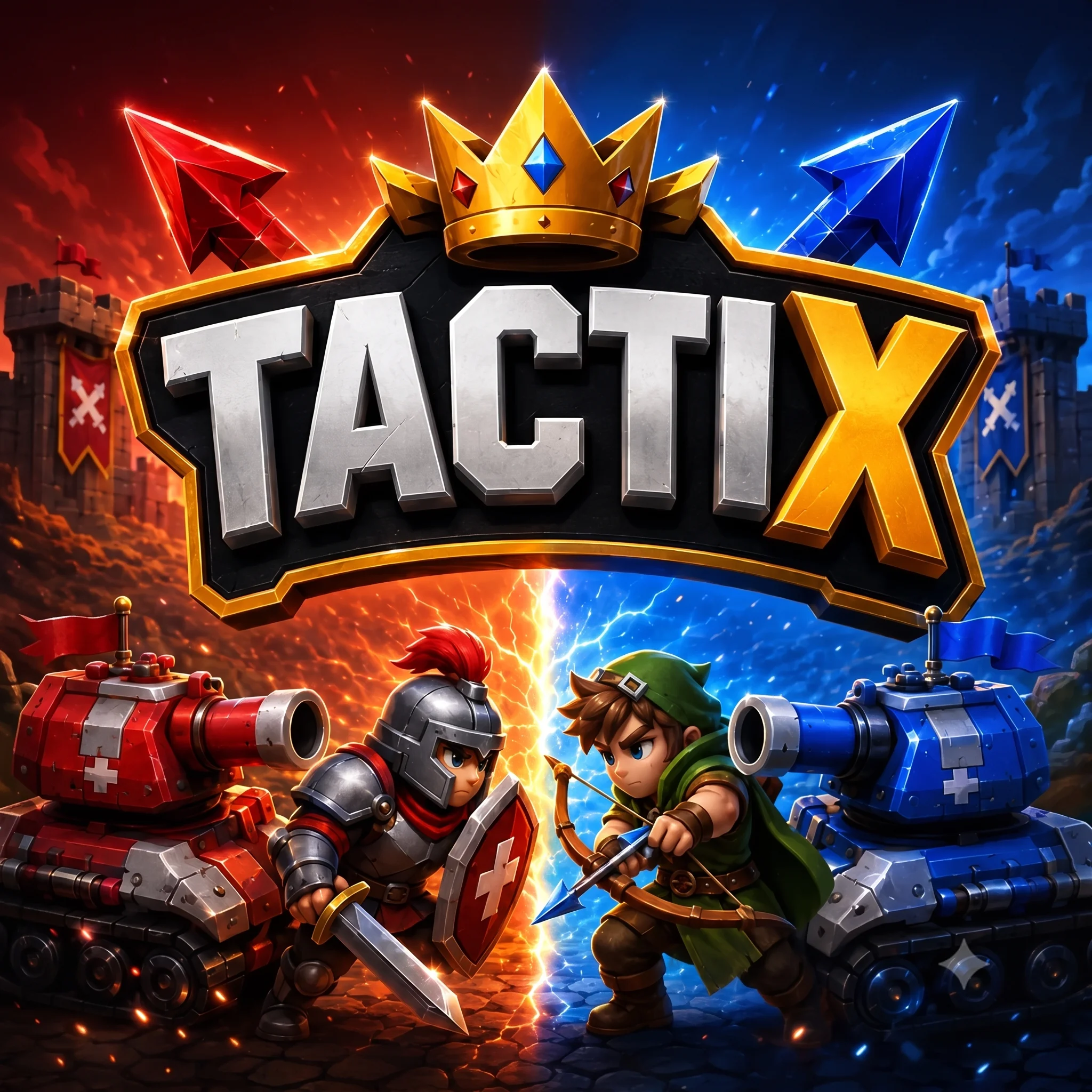 High-action multiplayer systems and level design developed by CubeStax
2. Epic Games
Headquartered in Cary, North Carolina, Epic Games is a foundational titan in modern interactive entertainment. As the creators of Unreal Engine, Epic powers a vast percentage of the industry's highest-grossing titles across gaming, virtual production, and simulation. Through Fortnite, Epic operates one of the world's most successful social gaming ecosystems. Epic focuses on first-party franchise expansion, engine technology, and creator platforms (UEFN). They do not offer external client work-for-hire, serving instead as the technological bedrock upon which studios build.
| Key Advantages | Considerations |
|---|---|
| World-leading real-time 3D engine tech and global online services | Does not provide work-for-hire or client development services |
| Pioneered massive creator economy and LiveOps ecosystems | Only accessible through engine licensing, grants, and publishing deals |
| Continual advancement of photorealistic rendering (Nanite, Lumen) | — |
3. Electronic Arts (EA)
Electronic Arts, headquartered in Redwood City, California, is an entertainment institution known for dominating sports simulations, narrative adventures, and live-service shooters. With powerhouse development studios like Respawn Entertainment, BioWare, and EA Sports, EA operates with immense creative and marketing scale. EA's operations center on proprietary IP and licensed sports franchises. Their infrastructure is geared toward continuous live updates, annual sports releases, and massive digital ecosystems.
| Key Advantages | Considerations |
|---|---|
| Unrivaled brand equity and global distribution channels | Massive corporate structure limits agility and rapid innovation |
| Deep mastery of persistent live-service player engagement | No external co-development services offered to outside publishers |
| Decades of expertise in multi-platform sports physics and AI | — |
4. Activision Blizzard
Operating out of Santa Monica, California, and now part of Microsoft Gaming, Activision Blizzard unites storied gaming divisions including Activision, Blizzard Entertainment, and King. The company is celebrated for building evergreen gaming franchises that engage tens of millions of monthly active users. Their technological footprint spans massive online role-playing architectures, world-class first-person shooter netcode, and casual mobile engagement, supported by dedicated global esports circuits.
| Key Advantages | Considerations |
|---|---|
| Franchises with multi-decade cultural and commercial power | Focused strictly on proprietary internal IP portfolios |
| Robust server infrastructure supporting millions of simultaneous users | High operational overhead across sprawling global subsidiaries |
| Unmatched cross-platform synergy across console, PC, and mobile | — |
5. Zazz
Based in San Francisco, California, Zazz bridges software engineering and interactive game development. The studio specializes in mobile gaming, cloud infrastructure, and backend monetization systems for clients who require robust software architecture alongside playful frontend mechanics. Zazz is particularly well-suited for businesses building gamified experiences, casual mobile titles, or interactive platforms that require heavy cloud security and DevOps alignment.
| Key Advantages | Considerations |
|---|---|
| Strong cloud engineering, data telemetry, and backend DevOps capabilities | Less emphasis on high-end AAA console art or narrative pipelines |
| Effective staff augmentation model for engineering teams | Primarily focused on mobile and casual game design |
| Experienced in analytics integration and monetization funnels | — |