
AAA Weapon Art Studio
Weapon Art
We engineer highly detailed 3D firearms, tactical gears, and custom melee weapons. Our hard-surface modelers configure modular attachment schemes, clean low-poly retopology, PBR texturing, and reload-ready joint limits.
600+ Weapons
Shipped to Engine
30+ Studios
Partners Supported
Reload-Ready
Clean Joint Limits
100%
IP Ownership





TRUSTED BY 100+ CLIENTS / TRUSTED BY 100+ CLIENTS / TRUSTED BY 100+ CLIENTS / TRUSTED BY 100+ CLIENTS / TRUSTED BY 100+ CLIENTS / TRUSTED BY 100+ CLIENTS / TRUSTED BY 100+ CLIENTS / TRUSTED BY 100+ CLIENTS /
WEAPON ART CREATION Why Choose CubeStaX for Weapon Art?
Harness next-gen hard-surface detail, modular setups, and reload-ready joints.
AAA Hard Surface Detail
High-precision geometry modeling, clean bevel profiles, and detailed ZBrush stampings for firearms.
Modular Weapon Systems
Custom scope attachments, magazine sizes, barrel mods, and stock configurations built to snap to pivots.
Next-Gen PBR Materials
Realistic metallic finishes, worn polymer paints, and custom carbon fiber configurations mapped in Substance.
Reload-Ready Rigs
Separate receiver, trigger, magazine, bolt, and charging handle pivots optimized for reload animation.
OUR PORTFOLIO PILLARS
Types of Weapon Art We Develop
CubeStaX develops high-performance Weapon Art solutions across multiple genres and business models. Whether you're building a casual mobile experience, AAA project, educational platform, or immersive XR application, our experts deliver scalable, optimized solutions tailored to your goals.

Casino Games
Provably fair math layers, verified random number generators, high-end slot visual engines, and secure payment integrations.

Sports Games
Realistic physics dynamics, dynamic AI opponents, sports dashboard telemetry, and local/online competitive modes.

Racing Games
High-speed wheel torque vectors, realistic drift controllers, complex crash meshes, and multiplayer leaderboard arrays.

Multiplayer Shooters
Engineered with client-side prediction, low-latency netcode, and match lobbies to support competitive online Multiplayer Games.
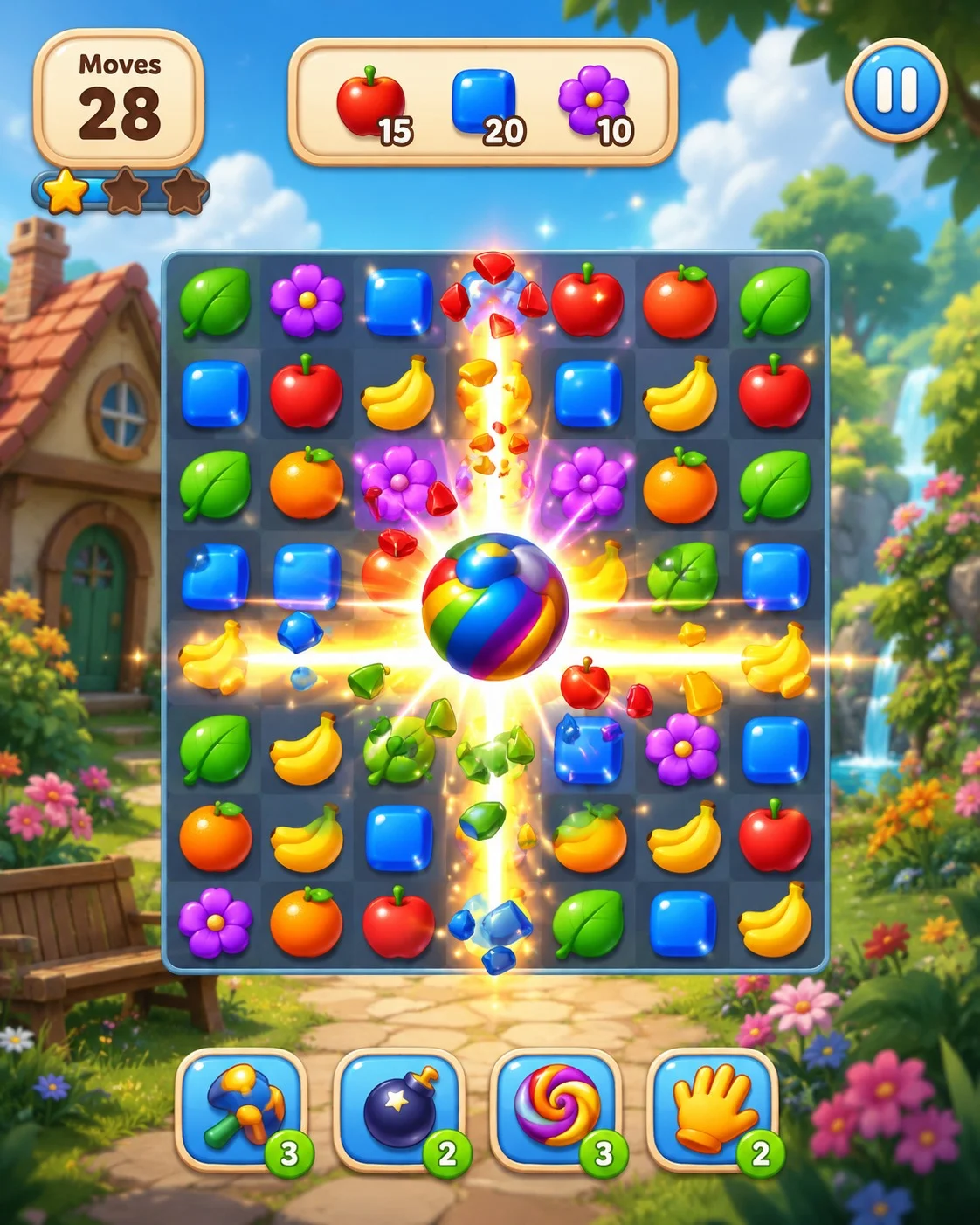
Casual Games
Addictive Casual Games with engaging mechanics, fluid interface transitions, and balanced progression design.

Hyper Casual Games
Instant-play mechanics designed for mass appeal, optimized for quick load times and rapid prototyping cycles.
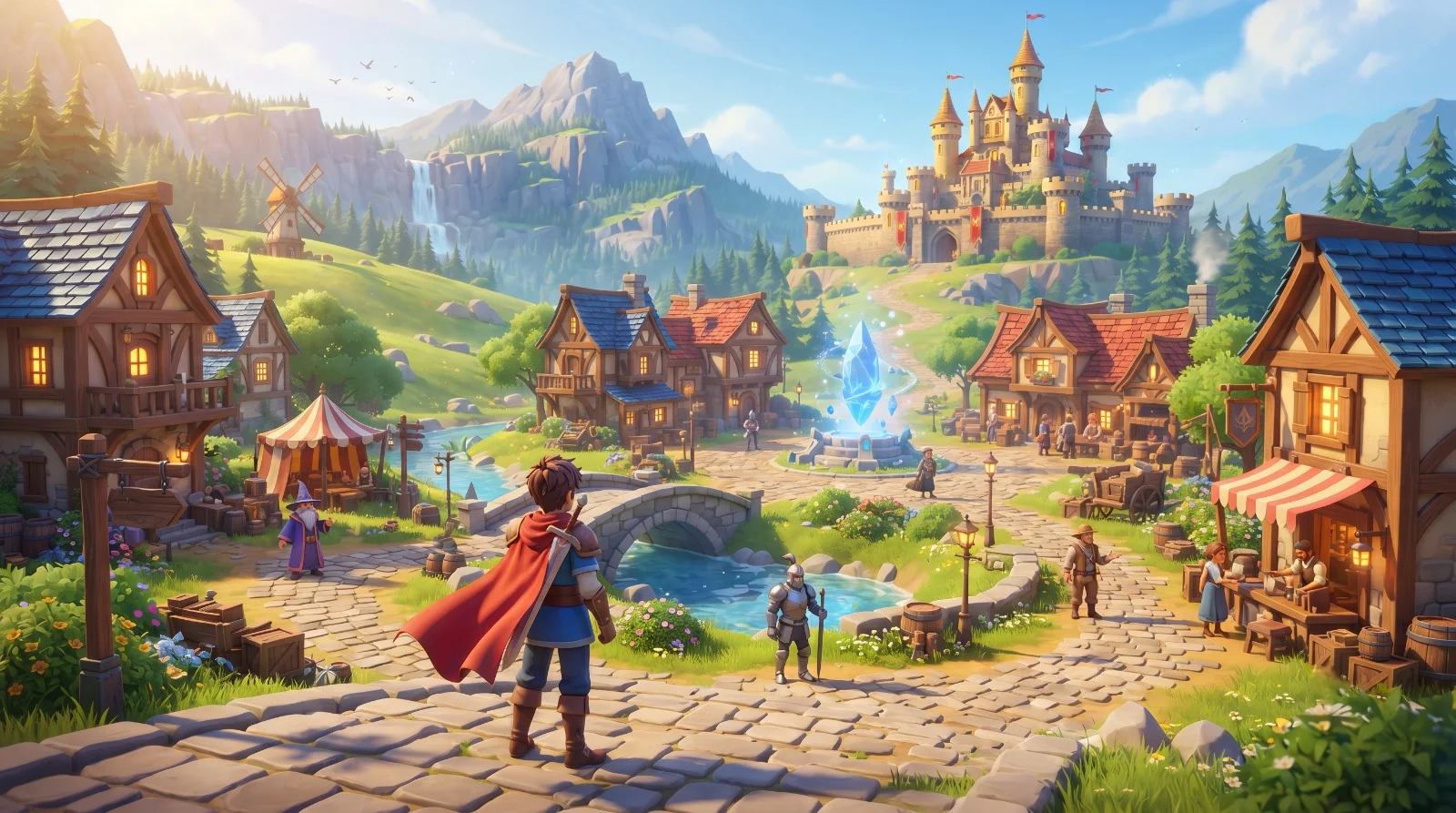
RPG Games
Complex stats, inventory workflows, quest systems, and cinematic combat triggers built by elite RPG Development teams.
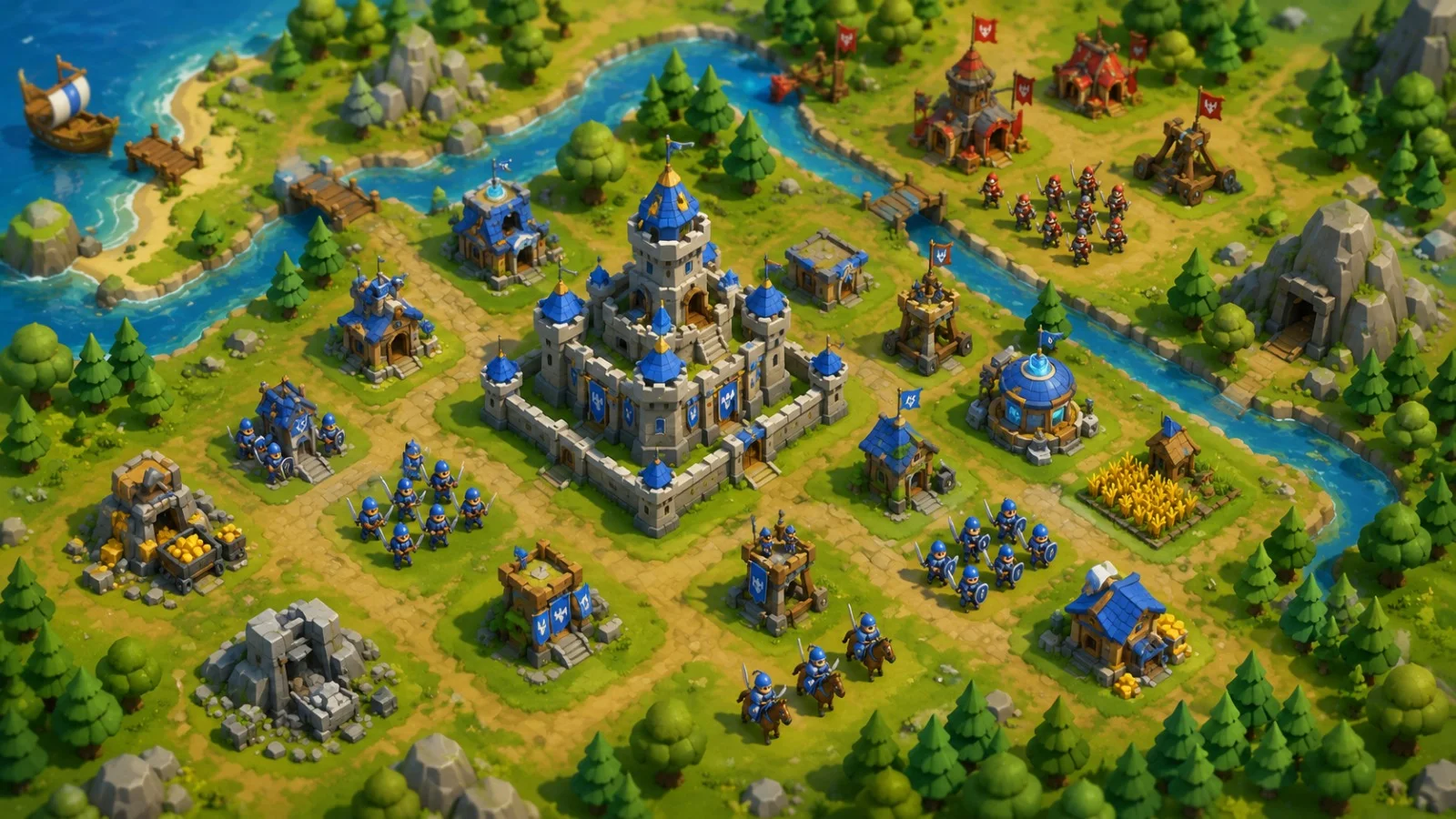
Strategy Games
Real-time resource loops, pathfinding grids, tactical AI trees, and multiplayer lobby matchmaking pipelines.

Educational Games
Engaging Educational Games with gamified learning mechanics, progress metrics, and certified COPPA-compliant standards.

Simulation Games
High-precision physical models, fluid dynamics, and structured dashboard controls for training or gameplay.
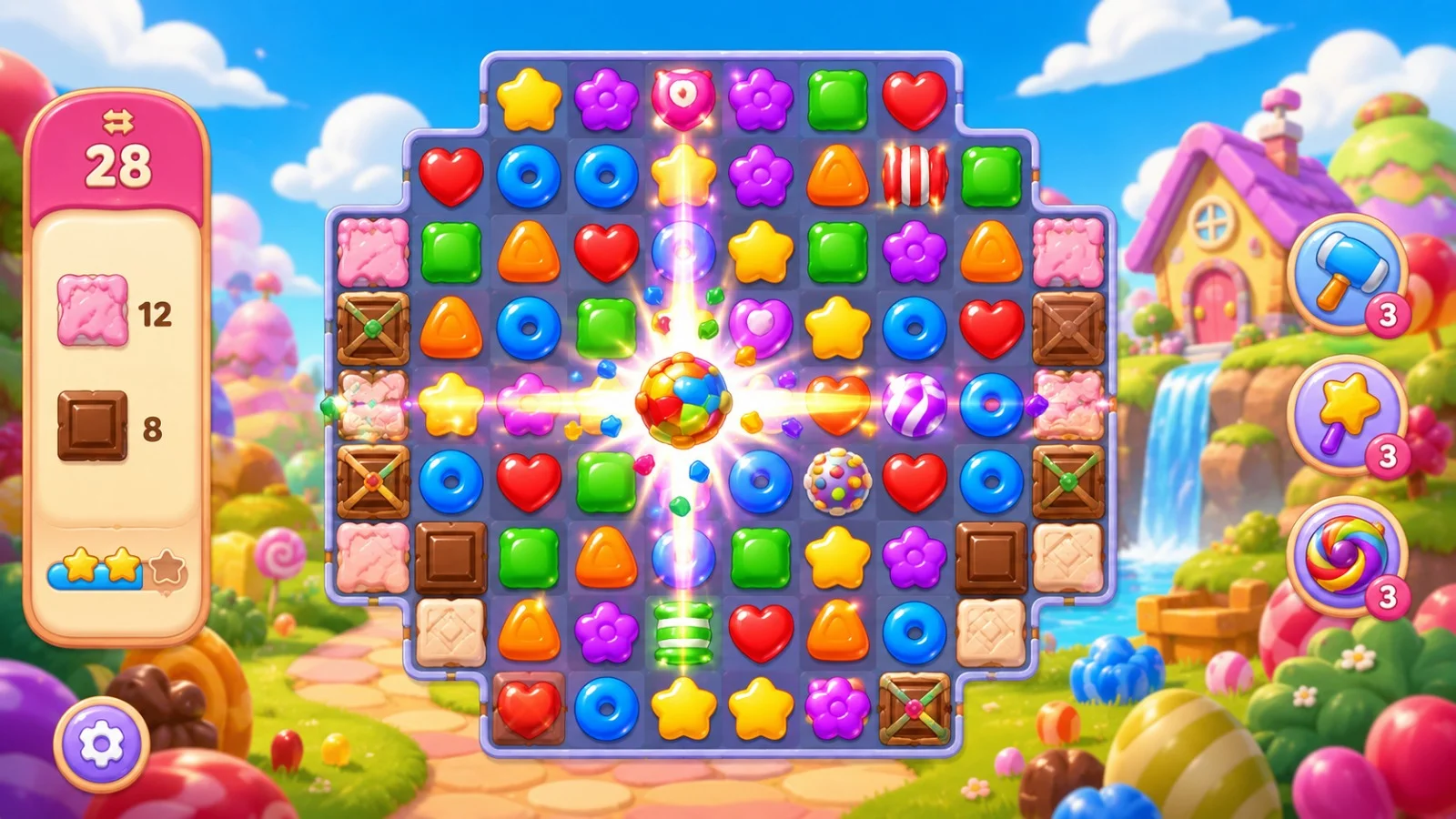
Puzzle Games
Intelligent grid match algorithms, spatial layouts, progressive level curves, and tactile animations.
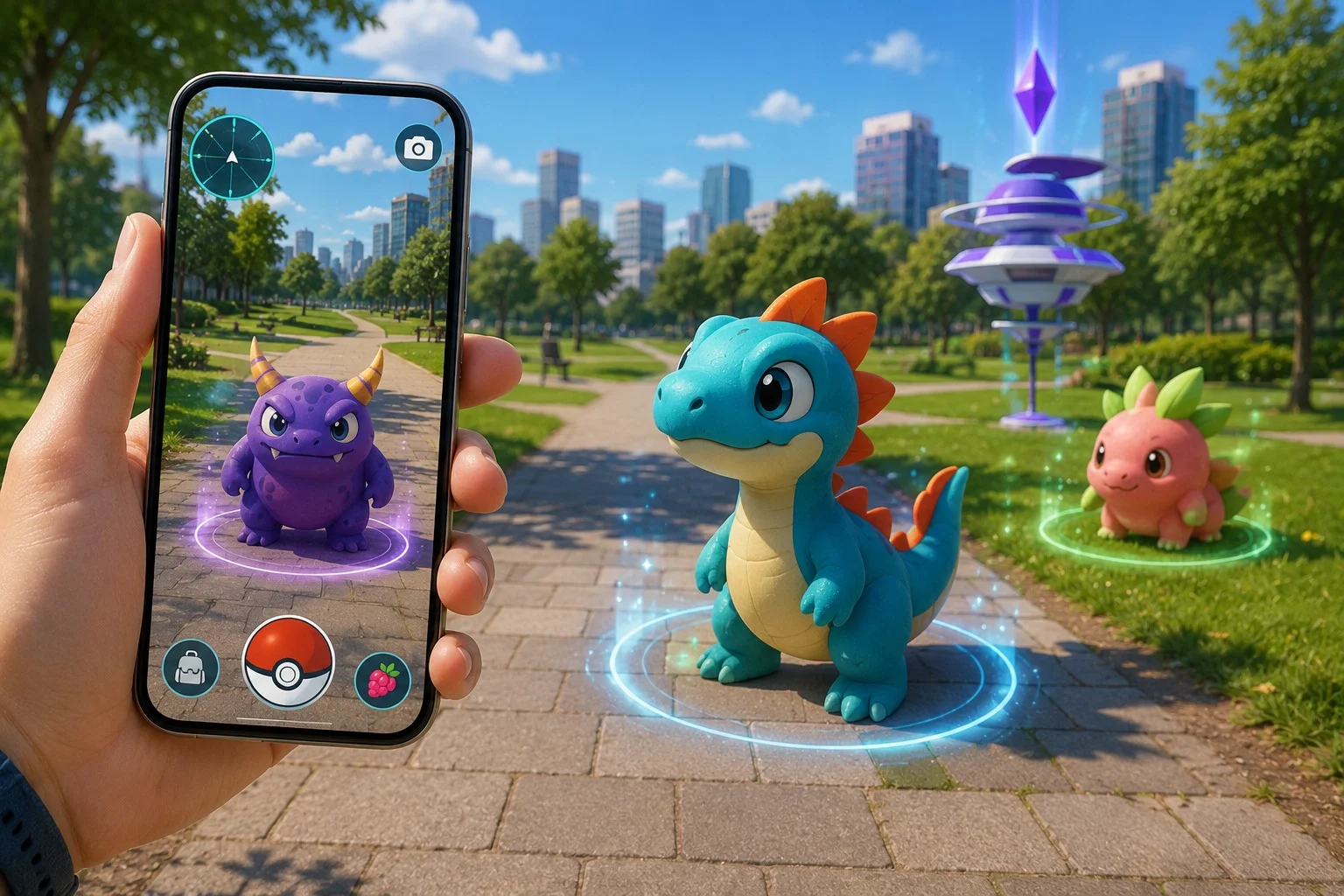
AR Games
Immersive spatial tracking, environmental mapping, and real-world interactions using AR Foundation pipelines.
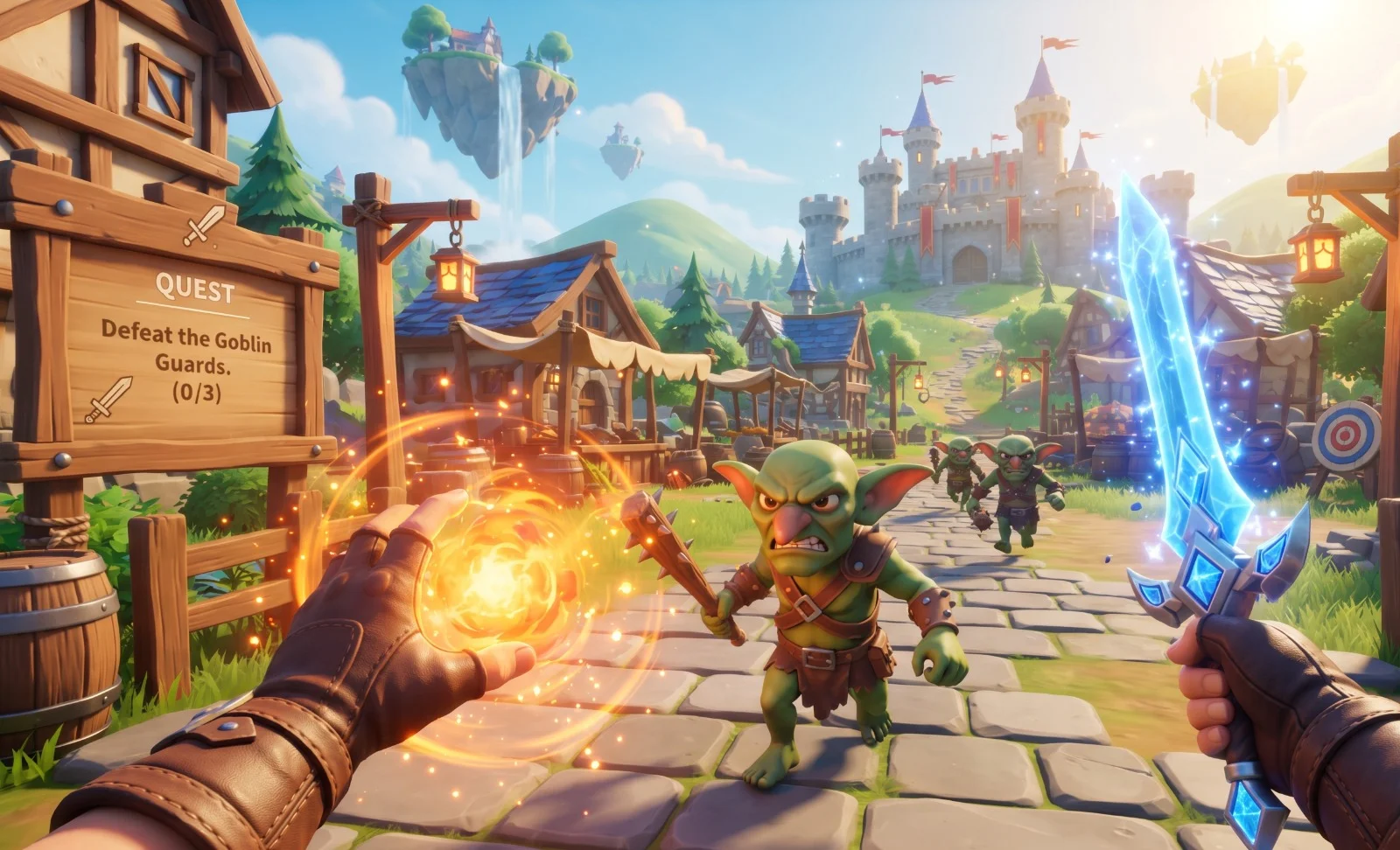
VR Games
Full physics interactions, spatialized audio, and high-FPS rendering pipelines for Oculus, HTC, and Vision Pro.
Casino Games
Provably fair math layers, verified random number generators, high-end slot visual engines, and secure payment integrations.
Sports Games
Realistic physics dynamics, dynamic AI opponents, sports dashboard telemetry, and local/online competitive modes.
Racing Games
High-speed wheel torque vectors, realistic drift controllers, complex crash meshes, and multiplayer leaderboard arrays.
Multiplayer Shooters
Engineered with client-side prediction, low-latency netcode, and match lobbies to support competitive online Multiplayer Games.
Casual Games
Addictive Casual Games with engaging mechanics, fluid interface transitions, and balanced progression design.
Hyper Casual Games
Instant-play mechanics designed for mass appeal, optimized for quick load times and rapid prototyping cycles.
COMPATIBILITY
Supported Platforms
We deploy robust games across mobile, console, desktop, and immersive XR headsets.
Unreal Engine 5
Unity Engine
Autodesk Maya
Substance Painter
Pixologic ZBrush
Blender 3D
PC / Steam Target
Console Target
RizomUV Layout

COLLABORATION PLANS
Our Engagement Models
Flexible structures aligned with your engineering capacity and development scope.
Fixed Price
Ideal for well-defined weapon models, attachment packs, and melee items where parameters are pre-locked.
Dedicated Team
A fully dedicated squad of weapon modelers, hard-surface artists, and coordinators assigned to your project.
Staff Augmentation
Inject experienced senior weapon artists directly into your existing git/Perforce pipelines and standup routines.
Project-Based Dev
Milestone-driven production where we manage end-to-end weapon art delivery from GDD concept sketch to final rigs.
SMART RUNTIMES
AI Integration Capabilities
Utilizing modern intelligent algorithms to enrich NPCs, telemetry analytics, and automated validation.
Procedural Texturing
Custom procedural material graphs built inside Substance Designer for rapid weapon wear and scratching details.
Topology Validation AI
Automated scripts checking face normals, UV overlap configurations, and vertex loops in weapon models.
Pivots auto-alignment
Integrating semi-automated receiver and attachment snap vector calculations to speed up model configurations.
Resolution Check
Smart texture resolution verification checking albedo and normal map density for first-person views.
LOD Building Tools
Procedural scripts creating level-of-detail (LOD) models to guarantee smooth rendering performance.
OVERVIEW
Complete Weapon
Art Solutions
From blueprint concept sketch to reload-ready engine assets.
Our weapon art services cover the full game life cycle. We combine robust game designs with structured software engineering practices. We handle multiplayer network replication, dynamic asset streaming, memory optimization, and physics configurations to guarantee a fluid 60 FPS on any player device.
- Optimized high-to-low poly baking passes
- Engine-ready material and texture setups
- Dedicated weapon leads and coordinators
- Thorough geometry and UV compliance reviews

WHAT WE OFFER
Core Service Pillars
Explore the foundational components of our Weapon Art offerings.
3D Firearm Modeling
High-precision hard-surface receiver models, custom barrels, and stock configurations.
Modular Attachment Packs
Detailed tactical scopes, silencers, compensators, custom grips, and laser sights.
Custom Melee Weapons
Detailed swords, combat knives, axes, and customized close-quarters combat items.
PBR Material Texturing
Albedo, roughness, metallic, normal, and ambient occlusion maps configuration in Substance.
Reload-Ready Joint Rigs
Separate receiver, trigger, magazine, bolt, and charging handle pivots configuration.
AAA Sci-Fi Weaponry
Highly imaginative laser rifles, plasma weapons, and futuristic energy weapon concepts.
Custom UV Unwrapping
Creating clean UV layouts, maximizing texel density, and packing UV maps efficiently.
High-to-Low Poly Baking
Baking high-resolution sculpt details onto low-poly receiver meshes using Marmoset.
Asset Optimization Pass
Reducing vertex overhead, cleaning UV maps, and compiling optimized material textures.
Engine File Integration
Importing FBX files, setting up prefabs, building materials, and testing in Unity/Unreal.
TECH STACK
Technologies We Use
We leverage modern, optimized frameworks and graphics engines.
Autodesk Maya
Substance Painter
Marmoset Toolbag
RizomUV Layout
Unreal Engine 5
Unity Engine
Pixologic ZBrush
Adobe Photoshop
Blender 3D
Substance Designer
PIPELINE
Our Development Process
A structured lifecycle focused on performance, quality, and iteration.

DISCOVERY & BLUEPRINT AUDIT
1
We map out core mechanical ideas, establish the GDD (Game Design Document), select the target tech stack, and align milestones.

HARD-SURFACE BLOCKOUT
2
We model character sheets, outline ui screen wireframes, compile reference mood boards, and setup core lighting aesthetics.
HIGH-POLY BEVEL PASS
3
We build block-outs of levels and code simple mechanical physics to test inputs and ensure the game loop is satisfying.
LOW-POLY & RETOPOLOGY
4
Our engineers construct clean C# system logic, integrate assets, plug in audio triggers, and implement multiplayer pipelines.
UV UNWRAPPING & BAKING
5
We benchmark memory, profile CPU call states on hardware targets, fix code leaks, and conduct player test groups.
PBR MATERIAL TEXTURING
6
We compile platform-compliant distribution files and handle store certification passes on Steam, Apple, Google, Sony, and Nintendo.
ENGINE DELIVERY & RIG CHECK
7
We monitor telemetry metrics, balance difficulty variables, update assets, and release downloadable patches.
INDUSTRIES
Industries We Serve
We deploy specialized interactive applications across multiple sectors.
Gaming Studios
Indie Startups
Enterprises
Educational Institutions
Healthcare & Training
Simulation & Modeling
Metaverse & XR Platforms

CASE STUDIES
View All Projects Featured Projects
FAQ
Frequently Asked Questions
Find answers to common questions about our technical pipelines.
Yes, receivers, barrels, scopes, grips, and magazines are structured as separate files designed to snap to matching pivots.
Absolutely. All receiver bolt assemblies, trigger mechanisms, and charging handles possess correct local pivot alignment.
Yes, we focus texel densities on sections facing the camera, keeping low-poly meshes optimized for FPS rendering limits.
We compile modular setups into Unity prefabs or Unreal Engine 5 blueprints with correct attachment sockets.
We follow an Agile milestone-based structure: Discovery/GDD, UI/UX Game Design, Graybox Mechanic Prototype, Full Systems Development, QA/Tuning, Publishing/Certification, and Post-launch Support.