PROJECT SPECIFICATIONS
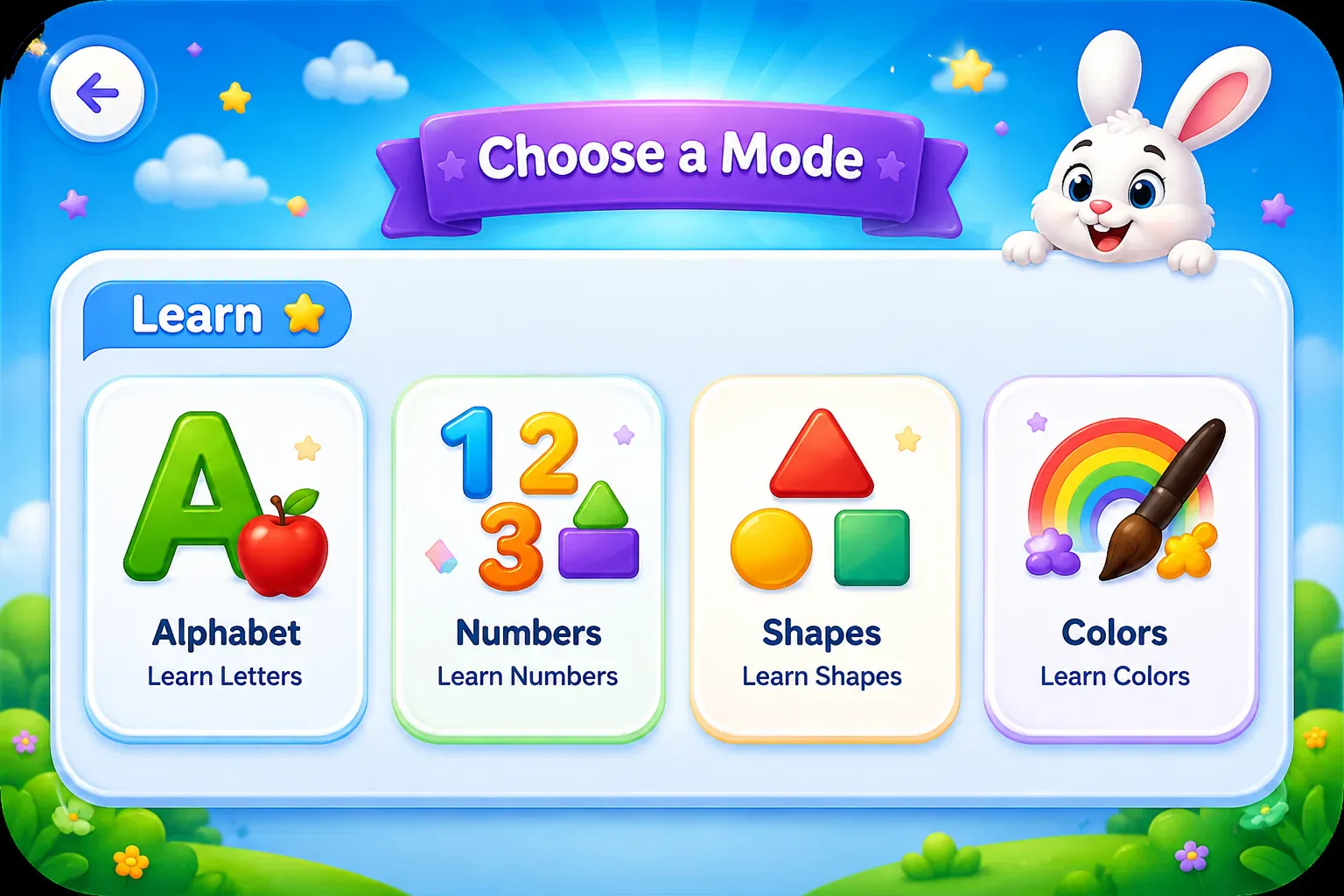
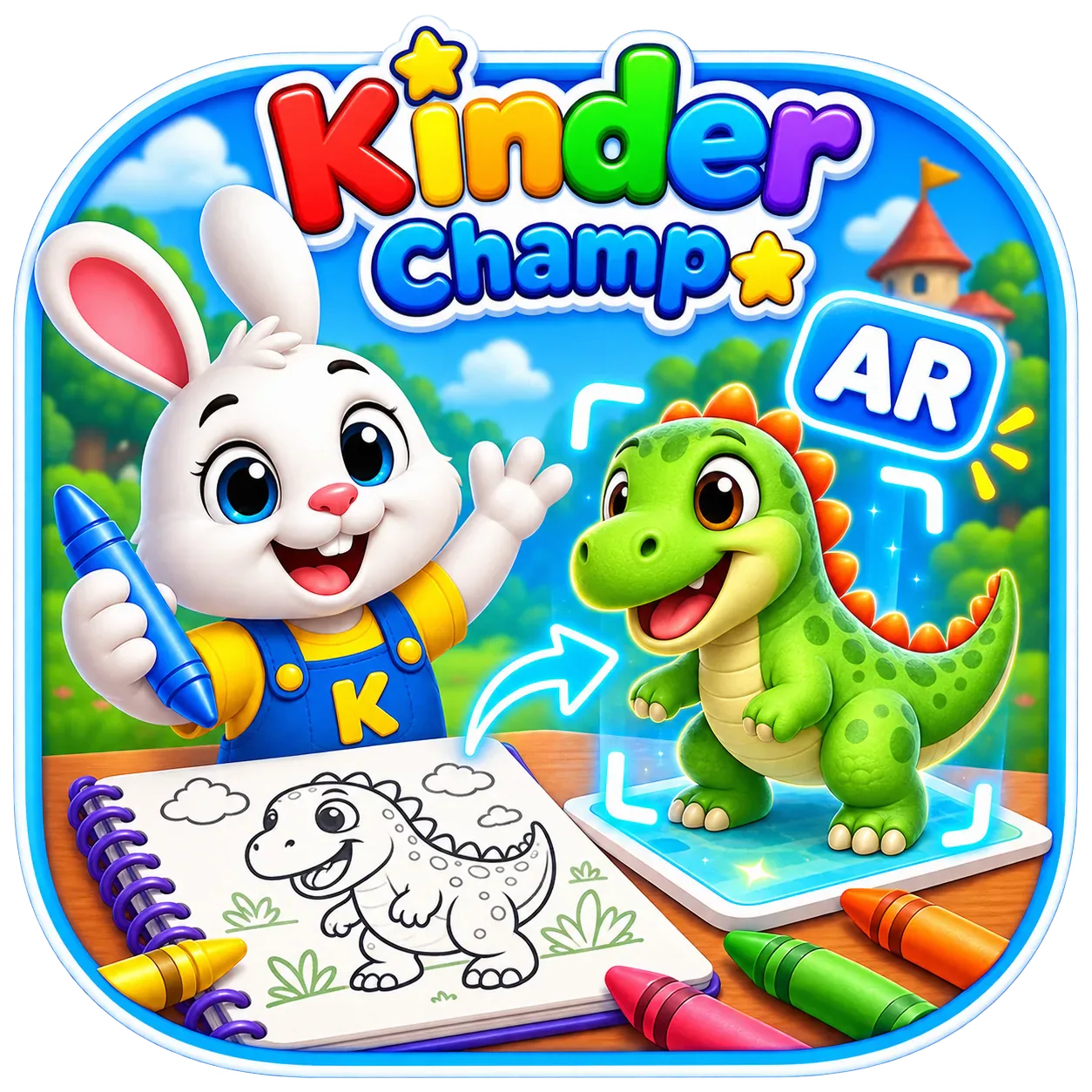
Kinder Champ bridges physical pen-and-paper creativity with digital spatial computing for young learners. Children follow interactive, stroke-guided tracing tutorials to sketch letters, numbers, and animals on physical paper before capturing their work using the mobile camera
GAME ENGINEUnity 6 (URP 17.0.4)
TARGET PLATFORMSAndroid, iOS (Landscape 16:9 / 18:9 Widescreen)
GENREAR/VR
ART STYLEStylized 3D, Neon Glow, Minimalist
DURATION10 Weeks
PROJECT ENGAGEMENTFull Cycle Development
TECHNOLOGIES & ARCHITECTURE
Unity 6 (URP 17.0.4)PTC Vuforia Engine (11.4.4)C# EventBus & ArchitectureDOTween Pro Catmull-RomUnity IAP & Google Play BillingCustom URP Shader GraphFirebase / Play Games
Kinder Champ (Draw AR)
Engineered for locked 60 FPS mobile performance with peak memory under 120 MB and zero GC allocations during active tracking. Features motion-gated spatial anchoring, 1:1 camera texture downsampling, automated multi-mesh bounds dissolve spawning, and parent-gated monetization.
Zero-Drift Spatial Stability
Implemented RuntimeTargetTracker.cs to decouple the AR content root from raw trackable transforms, freezing updates when camera velocity exceeds 0.12 m/s or 20°/s with 3.5 cm / 6° deadbands and discarding EXTENDED_TRACKED drift.
Instantaneous Runtime Target Synthesis
Engineered 1:1 center-square cropping in CameraCapture.cs (<40 ms latency) and inverted-pose guards in RuntimeImageTargetManager.cs using normal dot checks (Vector3.Dot(up, Vector3.up) < -0.1f) with SmoothDamp and Slerp filters.
Multi-Mesh Dynamic Bounds Dissolve
Created DissolveSpawnController.cs with AutoCalculateModelBounds for arbitrary 3D models while suspending child Animator updates to eliminate skeletal transform GPU overhead.
Extensible Cosmetic Strategy Pattern
Modular architecture using ICharacterAppearStrategy.cs, SpawnSequenceSO.cs, and SpawnSequencePlayer.cs powering 10 distinct IAP-ready spawn sequences.
TECHNICAL R&D
Architectural Challenges & Engineered Solutions
How our team bypassed complex bottlenecks to achieve smooth frame execution and frictionless player retention.
THE CHALLENGE
Optical Tracking Jitter & Camera-Orbit Perspective Drift
Problem: Vuforia’s raw homography calculations suffered from micro-jitter and false angular shifts when orbiting the camera around physical drawings. Furthermore, falling into Vuforia's EXTENDED_TRACKED state caused virtual content to drift across the room whenever the drawing was partially occluded or viewed from steep glancing angles. Solution: Implemented RuntimeTargetTracker.cs to completely decouple the AR diorama root (ARContentRoot) from Vuforia's trackable target transform. Added camera-motion velocity gating (freezing model updates when camera translation exceeds 0.12 m/s or angular speed exceeds 20°/s), spatial deadbands (3.5 cm / 6°), and discarded EXTENDED_TRACKED updates to lock the model into a rock-solid world anchor.
CUBESTAX SOLUTION
Custom Architecture Implementation
Built a decoupled Model-View-Controller architecture with cached transform loops and compressed mesh streams to eliminate CPU bottlenecking.
THE CHALLENGE
Instantaneous Runtime Image Target Synthesis & Inverted Pose Glitches
Problem: Dynamically instantiating Vuforia image targets from live camera frames produced visible frame drops during texture allocation and occasionally solved inverted homography matrices where models spawned upside-down underneath the table. Re-acquiring lost targets also introduced jarring 1-frame transform pops that broke visual immersion. Solution: Engineered a 1:1 center-square texture cropping pipeline in CameraCapture.cs to eliminate optical distortion before passing textures to ObserverFactory.CreateImageTarget. Integrated an inverted-pose detection guard in RuntimeImageTargetManager.cs using a surface-normal dot product check (Vector3.Dot(up, Vector3.up) < -0.1f) to auto-correct flips, combined with Vector3.SmoothDamp and Quaternion.Slerp convergence filters during re-acquisition.
CUBESTAX SOLUTION
Custom Architecture Implementation
Engineered responsive input managers and a custom asset loading pipeline that keeps startup loading times under 3 seconds.
CORE CAPABILITIES
Key Features & Highlights
Engineered gameplay mechanics and custom technical pipelines powering Kinder Champ (Draw AR).
Zero-Drift Motion-Gated Spatial Anchoring
Instantaneous Runtime Image Target Synthesis (<40ms)
Multi-Mesh Dynamic Bounds Dissolve Spawning
10 Unique Strategy-Pattern Spawn Sequences
ENGINEERING BENCHMARKS
Measurable Performance & Delivery Results
Every production title at CubeStaX undergoes strict frame profiling, memory optimization, and compliance testing.
60 FPS
Locked AR Tabletop Performance on Low-End Mobile
< 120 MB
Peak Runtime Memory Footprint
0 B / frame
Zero Garbage Collection Allocation in Active AR Tracking Loop
< 40 ms
Runtime Vuforia Target Synthesis & Binding Latency
100%
Drift-Free Spatial Anchoring via Motion Gating & Deadbands
10 Unique
Data-Driven Cosmetic Spawn Sequences Powered by Strategy Pattern
PROJECT GALLERY