The Timeless Appeal of 2D Art
2D art design—ranging from pixel art and isometric environments to hand-drawn illustrations—offers high aesthetic flexibility and lower production costs. 2D titles scale exceptionally well on low-end devices and appeal heavily to casual audiences. They require less technical setup in the engine, allowing small teams to focus entirely on visual style and storytelling without worrying about complex 3D lighting or polygon budgets.
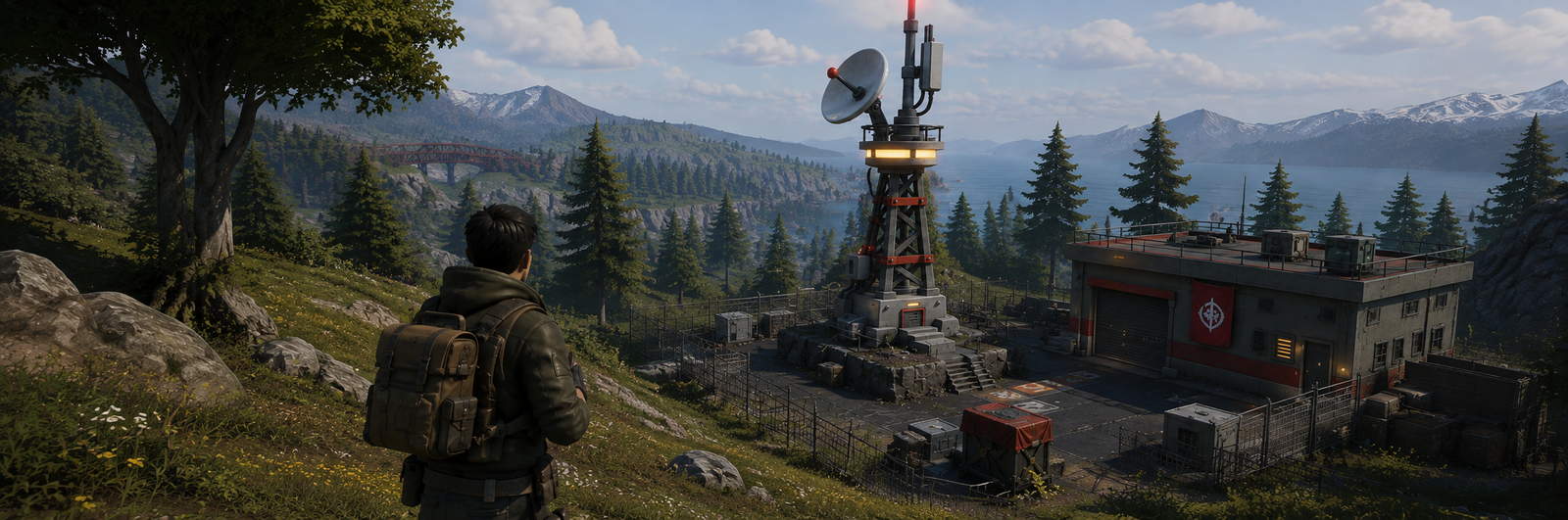
3D Art pipelines & Immersive Realism
3D art allows dynamic camera angles, lighting, and physics. However, 3D pipelines are more complex, requiring asset modeling, UV unwrapping, texturing, rigging, and animation. Optimizing polycounts and texture budgets is essential for consistent frame rates, especially for mobile devices. Using modern materials like PBR (Physically Based Rendering) helps create realistic surfaces that react naturally to in-game lights.
Building an Efficient Art Pipeline
Establish clear style guides and concept art sheets before creating assets. Standardize scale, naming conventions, and export formats to prevent technical pipeline breaks. Integrate art assets early in game builds to evaluate visual consistency. Art directors should set up automated validation scripts in the engine to catch bad exports, unoptimized textures, or wrong collision meshes before they slow down development.
Conclusion
Let your game mechanics, target platform, and budget dictate your art choice. A polished, stylized 2D game is always preferable to a generic, unoptimized 3D game. Whichever style you choose, visual consistency and good lighting will elevate your game art beyond pure polygon counts.